Carolina Crossing North
Schertz, Texas
Local sewage cleanup information for Carolina Crossing North, with direct links to service-specific guidance, Schertz wastewater context, and practical steps after a sewage backup.
What should I do after a sewage backup in Carolina Crossing North? Keep people and pets away from the wastewater — it can carry harmful bacteria, so do not wade through it or try to mop it up yourself. If you can do it safely, stop the source: close the toilet supply valve, and avoid running water or flushing while drains are backing up. Open windows for airflow and photograph every affected room before anything is moved. What decides the cleanup scope is how far the water traveled and what it touched — sewage on tile is a very different job than sewage under carpet, behind baseboards, or inside cabinets, and black water from a sewer line is handled more strictly than gray water from a fixture. Porous materials often have to be removed rather than cleaned, and hidden moisture under flooring is what turns a small backup into a bigger repair, so get a professional check even when the surface looks dry.
Carolina Crossing North is a residential pocket in Schertz's northern growth area. Like other newer subdivisions, most incidents here start at a fixture or a laundry drain rather than a system-wide failure, so the cleanup footprint is often limited to one or two rooms.
For Carolina Crossing North properties on septic, a full tank or a saturated drain field can send wastewater backward; on sewer, the lateral between house and main is the usual choke point. A backup that looks minor can still mean a major cleanup once the moisture trail is mapped — meters, not eyes, draw the real boundary of the work.
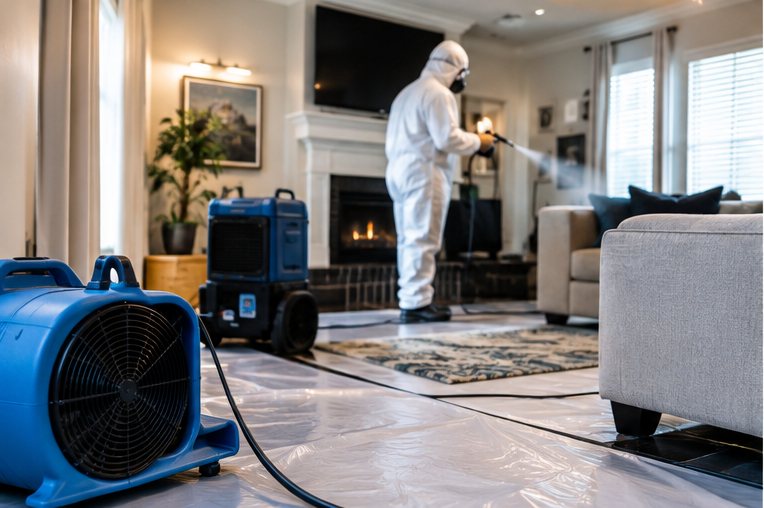
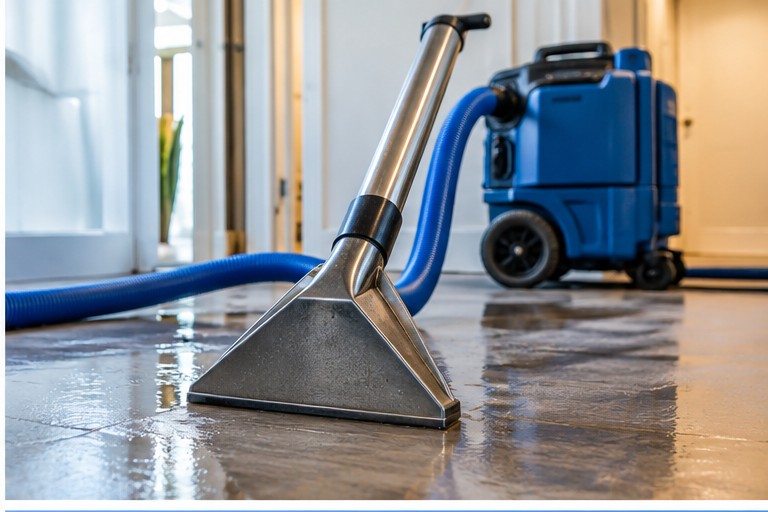
In Carolina Crossing North, a complete cleanup runs in stages: get the wastewater out, remove what cannot be saved, clean what can, sanitize everything the water touched, and dry the structure to verified moisture levels before repairs begin. When the smell will not quit even after visible water is gone, the source is usually still there — contaminated material tucked where it cannot be seen, still off-gassing until it is found and removed.
If you are in Carolina Crossing North and unsure where to start, scan the options below for the one that sounds like your backup — a sewer line issue reads very differently from a septic tank problem. Every page below assumes a different starting point, so the advice stays practical instead of one-size-fits-all.
In Carolina Crossing North, a backup usually shows up as a toilet that will not drain, water rising in a shower or tub, a floor drain in the garage or laundry pushing water up, or a strong sewage odor near fixtures. The pattern tells you a lot: a single fixture acting up points to a local clog, while several fixtures backing up at once — especially the lowest drain in the home — usually means the main sewer line is blocked.
The blockage and the mess are separate problems in Carolina Crossing North: plumbers resolve the first with augers or jetting through the cleanout, and cleanup addresses the second with extraction, cleaning, and drying. Wastewater that reached porous materials changes the plan — carpet pad, drywall, and insulation that absorbed sewage are typically removed rather than cleaned.
Schertz, Texas
Extraction, cleanup, sanitation, odor, moisture, and restoration planning.
Call to discuss your cleanup situation
The Carolina Crossing North cleanup plan should name the source, the spread, and the materials: those three facts determine whether you are looking at extraction and sanitizing or a larger removal and restoration job. Keep a simple log as you go: photos, dates, and what was removed or cleaned — it keeps the project organized and documents the work.
The neighborhood name helps you land on the right page, but the cleanup itself depends on what happened at your property. In Carolina Crossing North, the most useful starting point is to identify the source, the direction the wastewater traveled, and the materials it contacted. A toilet overflow, sewer-line backup, floor-drain backup, and septic event can each leave a different contamination trail, even when the visible mess looks similar.
Once the source is handled, Carolina Crossing North cleanups move deliberately: extract, remove unsalvageable materials, clean, sanitize with dwell time, then dry to verified levels. If the smell persists after cleaning, the search continues rather than the air freshener coming out — the source has to be found and removed.
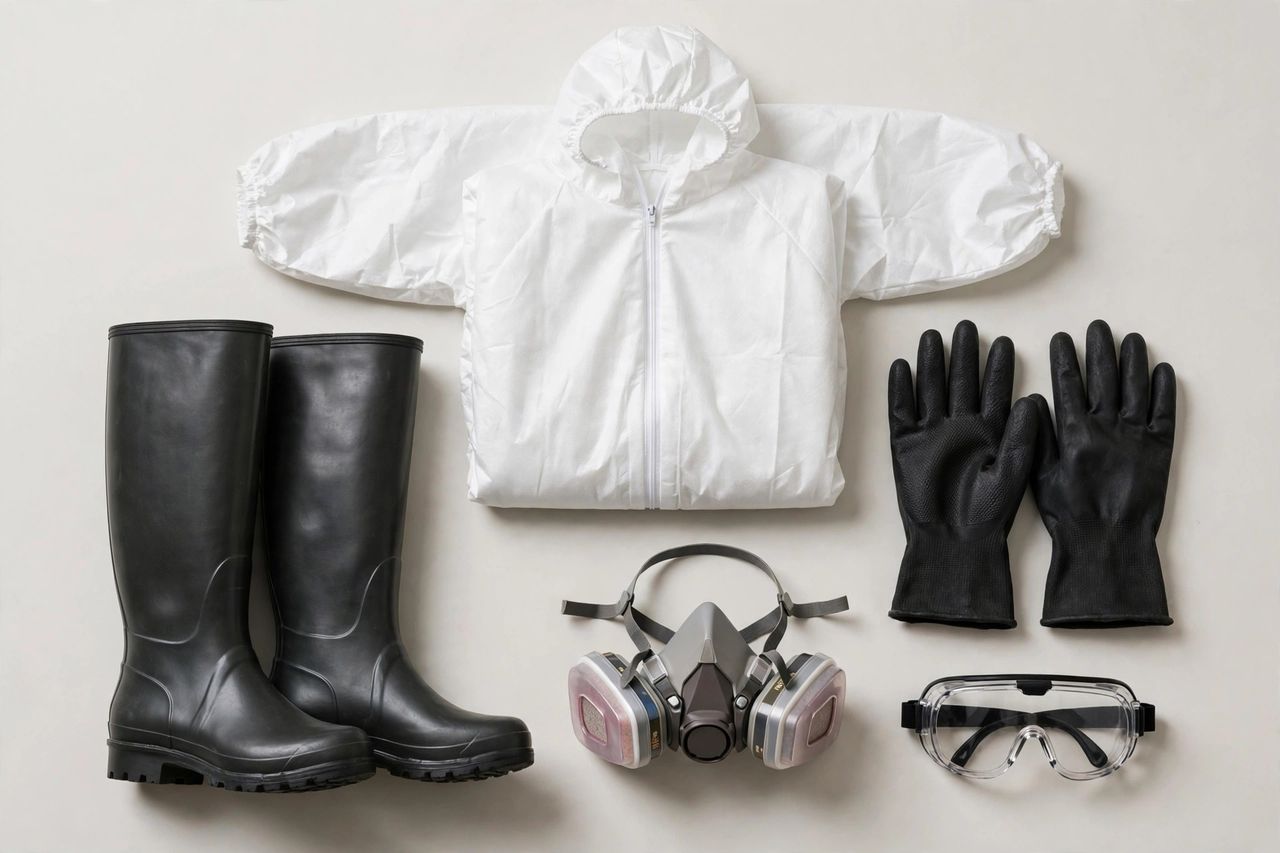
These images show the general types of conditions and equipment discussed on this page, not a specific completed job.
Call the local number to discuss the situation and identify the relevant service page.