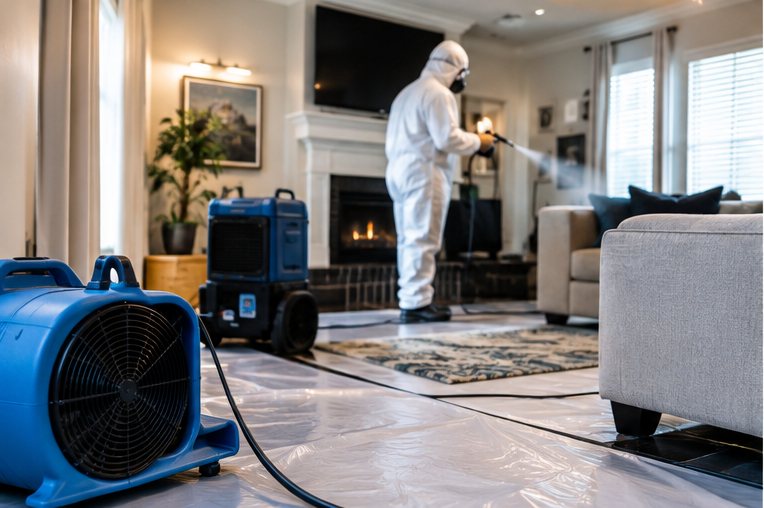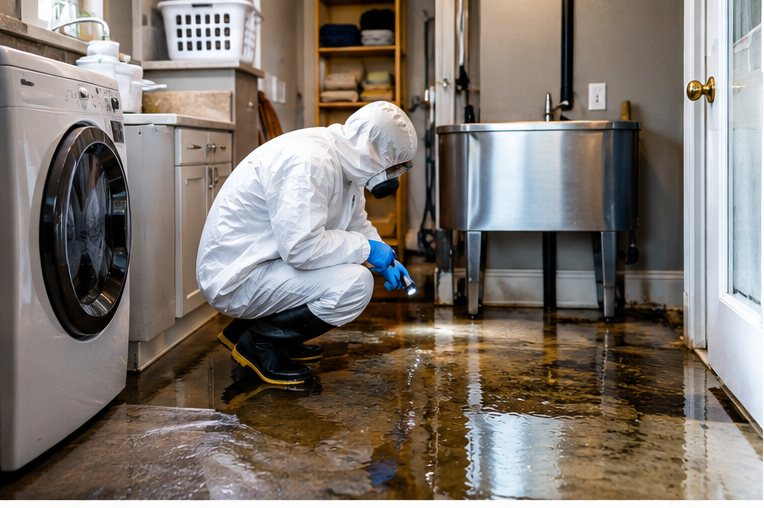
What is sewage damage restoration? Restoration after sewage exposure is a sequence: stabilize the affected area, remove contamination, evaluate materials, dry what can be retained, and identify repairs or replacement for materials that cannot be appropriately restored. Restoration should not begin by covering or painting over contamination.
How sewage damage restoration is approached
Restoration after sewage exposure is a sequence: stabilize the affected area, remove contamination, evaluate materials, dry what can be retained, and identify repairs or replacement for materials that cannot be appropriately restored. Restoration should not begin by covering or painting over contamination.
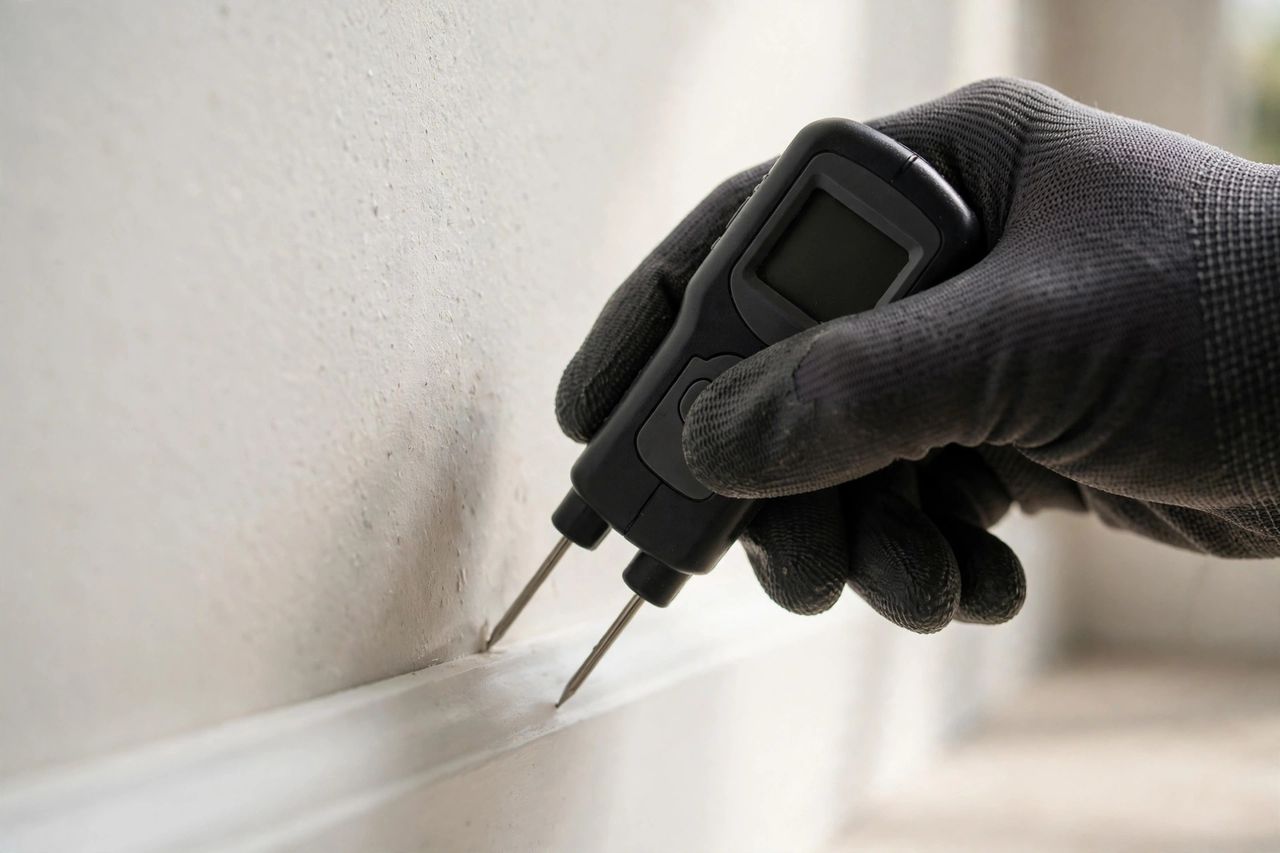
Restoration starts where cleanup leaves off — but the two overlap. Before any rebuilding, the contamination has to be fully mapped: which sections of drywall wicked up sewage, whether the subfloor is compromised, if cabinetry bases are swollen or delaminated. Cosmetic repairs over hidden contamination just bury the problem. A good restoration plan separates what gets cleaned, what gets cut out, and what gets rebuilt.
Conditions that determine the cleanup scope
The restoration scope is set by which materials were contacted, how deeply contamination and moisture penetrated, what can be cleaned and dried in place, and what must be repaired or replaced. The key judgment in every room is retain-versus-remove, made material by material based on contamination, porosity, and condition.
Typical cleanup sequence
Assess the source and contamination path
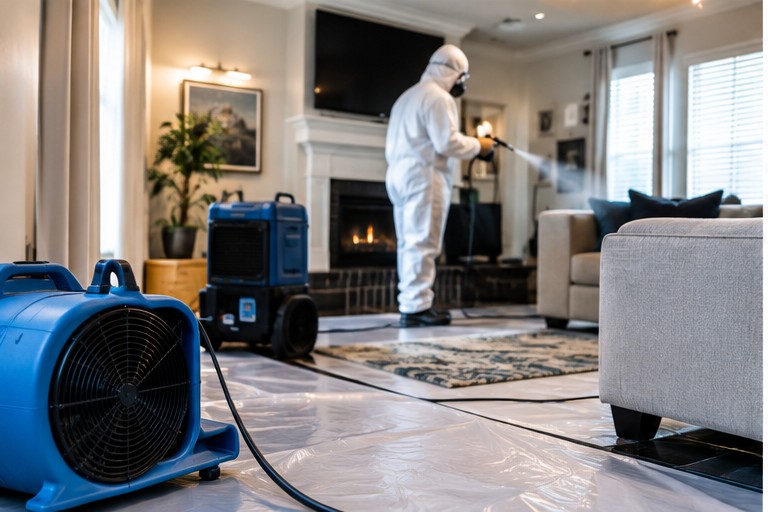
Control the affected area and reduce unnecessary exposure
Remove wastewater and contaminated materials where appropriate
Physically clean affected surfaces and contents that can be retained
Dry and monitor affected areas for remaining moisture
Address odor, microbial growth, repairs, and restoration needs
Materials that may be affected
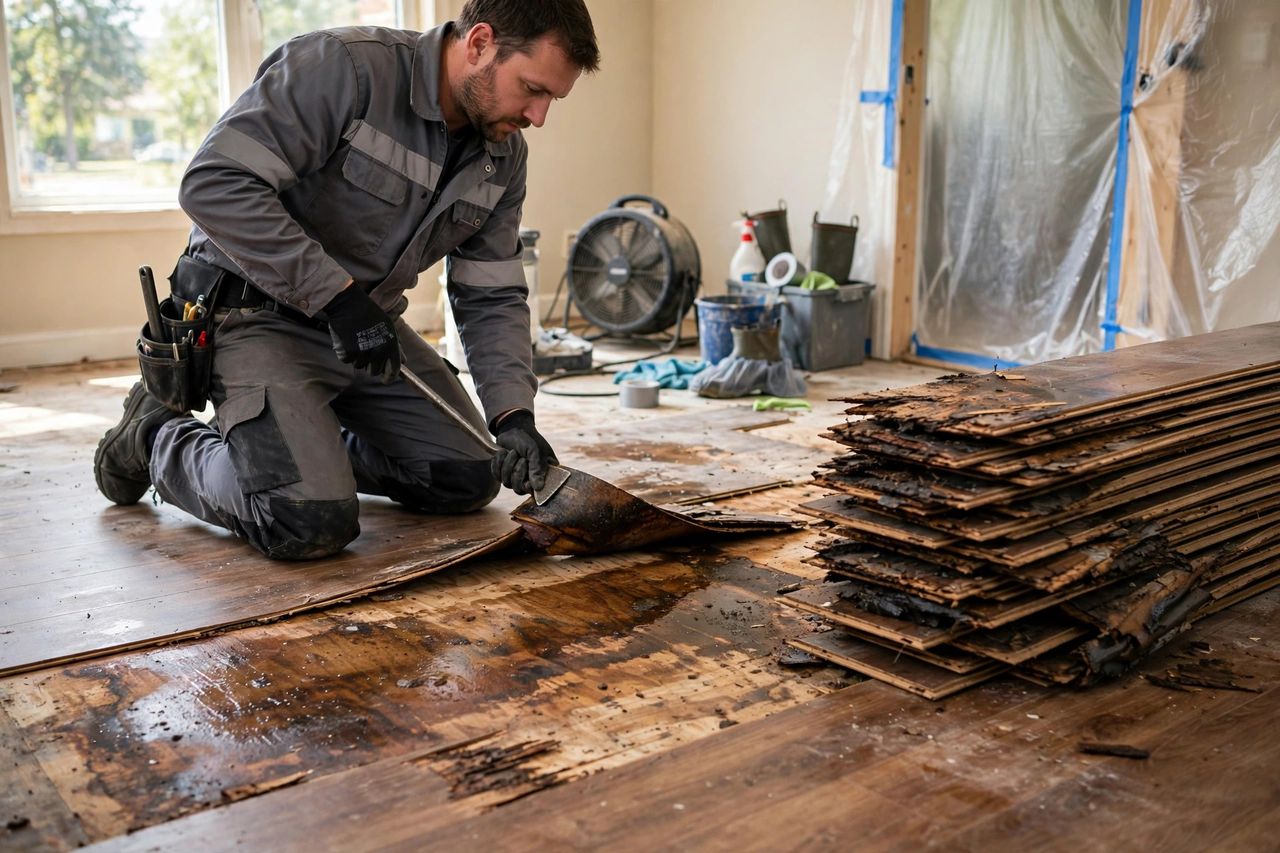
Restoration deals with the building itself: drywall (often needs a flood cut a foot or two up from the floor), baseboards and trim, flooring and underlayment, subflooring, vanity and kitchen cabinets, and insulation inside affected walls. Carpet pad is almost never salvageable after sewage; carpet itself rarely is either. Solid wood and tile can sometimes be saved with thorough cleaning and disinfection.
What to do before cleanup
- Keep occupants and pets out until it is cleaned— exposure is a health risk.
- Keep DIY disinfectant experiments out of the work area— some combinations release dangerous fumes.
- Keep the HVAC from pushing air through the work zone— it spreads contaminated aerosols through the property.
- Keep a visual record of the damage in case they are needed later.
- Confirm the fixture or line is no longer backing up— cleanup cannot succeed while water is still coming in.
What not to assume
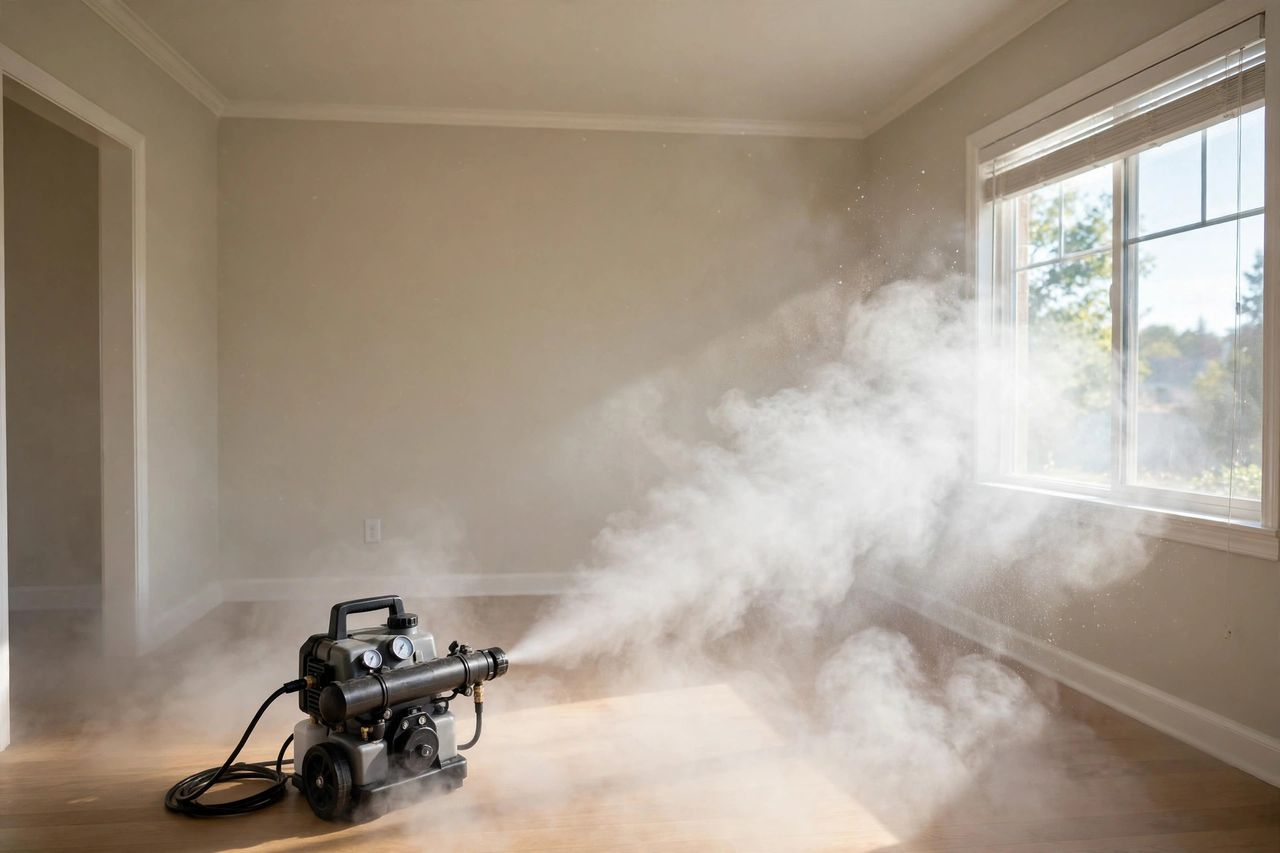
After Sewage Damage Restoration, deodorizing is not the same as decontaminating — a room can smell fine and still harbor contamination in porous materials. Porous materials that absorbed wastewater are typically removed, while hard, non-porous surfaces can often be cleaned and disinfected.
Schertz context
Many Schertz homes mix slab foundations with pier-and-beam sections, and each hides moisture differently — slab wicks it sideways under flooring, pier-and-beam lets it into the crawl space. The City of Schertz's wastewater information notes improper disposal contributes to sewer blockages and names CCMA as the regional wastewater provider for the area.
Questions people ask about sewage damage restoration
What is sewage damage restoration?
Sewage damage restoration is the repair-and-recovery phase after sewage exposure: stabilize the affected area, remove contamination, evaluate materials, dry what can be retained, and identify repairs or replacement for materials that cannot be appropriately restored. Restoration should never begin by covering or painting over contamination — the cleanup has to come first.
When is sewage damage restoration needed?
It is needed when a sewage event damaged finishes, materials, or contents beyond what cleaning alone can resolve — saturated drywall, ruined flooring, swollen cabinets, or structural materials that stayed wet. If the question has shifted from “how do we clean this” to “what has to be repaired or replaced,” you are in restoration territory.
Can the visible water be the whole problem?
No. Restoration decisions depend on what is inside the materials, not just what is visible on them. Drywall can look intact while its core is contaminated, subflooring can hide saturation, and wall cavities can hold moisture — all of which determine whether a material is restored in place or removed and replaced.
What should happen before deodorizing?
Complete the contamination work before any cosmetic step: remove wastewater and residues, address affected materials, verify drying — then consider odor and repairs. Deodorizing or repainting before contamination and moisture are resolved just seals the problem in. Restoration finishes should only go over verified-clean, dry surfaces.
What if the backup appears to be a public sewer problem?
If the damage traces to a public sewer issue, contact the appropriate municipal or utility authority in addition to the restoration work. The City of Schertz identifies CCMA as the regional wastewater provider serving Schertz and nearby communities. Cleanup, restoration, and utility diagnosis are related but separate tasks.