Schertz Forest
Schertz, Texas
Local sewage cleanup information for Schertz Forest, with direct links to service-specific guidance, Schertz wastewater context, and practical steps after a sewage backup.
What should I do after a sewage backup in Schertz Forest? Keep people and pets away from the wastewater — it can carry harmful bacteria, so do not wade through it or try to mop it up yourself. If you can do it safely, stop the source: close the toilet supply valve, and avoid running water or flushing while drains are backing up. Open windows for airflow and photograph every affected room before anything is moved. What decides the cleanup scope is how far the water traveled and what it touched — sewage on tile is a very different job than sewage under carpet, behind baseboards, or inside cabinets, and black water from a sewer line is handled more strictly than gray water from a fixture. Porous materials often have to be removed rather than cleaned, and hidden moisture under flooring is what turns a small backup into a bigger repair, so get a professional check even when the surface looks dry.
Schertz Forest is an established, heavily treed neighborhood of single-family homes. Mature trees mean root intrusion belongs on the suspect list for recurring backups, alongside the usual fixture overflows and floor-drain backups.
In Schertz Forest, backups commonly trace to a toilet overflow, a laundry or garage floor drain pushing water up, a root-clogged sewer lateral, or a struggling septic component. The visible puddle is only the beginning: capillary action pulls wastewater sideways under flooring and upward into drywall, spreading contamination well past the waterline.
In Schertz Forest, once the immediate wastewater is under control, the work moves through extraction, hands-on cleaning, sanitizing with proper dwell time, structural drying, and then repairs — skipping a stage just moves the problem further down the line. A stubborn sewage odor is a diagnostic clue, not just a nuisance: it usually points to contamination trapped under flooring, inside a wall cavity, or behind a cabinet that the first pass missed.
Start with the page below that best matches what happened at your Schertz Forest property — each one covers a different kind of sewage event, from toilet overflows to full sewer line backups. The right page depends on the source: toilet, sewer lateral, septic system, or an appliance drain each point to different guidance.
In Schertz Forest, a backup usually shows up as a toilet that will not drain, water rising in a shower or tub, a floor drain in the garage or laundry pushing water up, or a strong sewage odor near fixtures. The pattern tells you a lot: a single fixture acting up points to a local clog, while several fixtures backing up at once — especially the lowest drain in the home — usually means the main sewer line is blocked.
In Schertz Forest, the first call depends on what is wrong: a plumber clears the blockage itself — often through an exterior cleanout — while a cleanup crew handles what the wastewater touched afterward. After the line is clear, the indoor work begins: removing standing wastewater, cleaning hard surfaces, sanitizing with proper dwell time, and confirming hidden areas are dry.
Schertz, Texas
Extraction, cleanup, sanitation, odor, moisture, and restoration planning.
Call to discuss your cleanup situation
Planning a Schertz Forest cleanup works best in three passes: stop the source, trace how far the water traveled, then match the work to each material it touched. The service pages linked above walk through extraction, disinfection, odor control, drying, and restoration in the order they actually happen.
The neighborhood name helps you land on the right page, but the cleanup itself depends on what happened at your property. In Schertz Forest, the most useful starting point is to identify the source, the direction the wastewater traveled, and the materials it contacted. A toilet overflow, sewer-line backup, floor-drain backup, and septic event can each leave a different contamination trail, even when the visible mess looks similar.
With the source controlled in Schertz Forest, the sequence is containment, extraction, cleaning, sanitizing, drying, then repairs — and each stage has a finish line before the next begins. A sewage odor that refuses to leave is information: it almost always means contaminated material remains somewhere — under a cabinet, inside a wall, beneath the flooring.
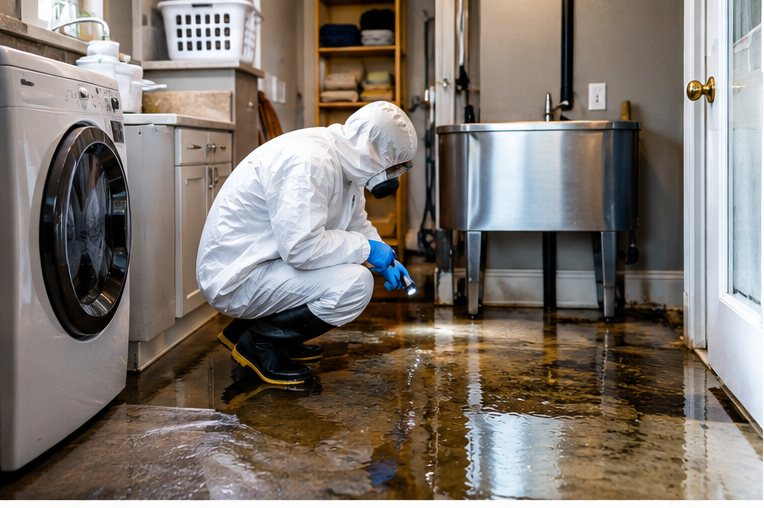
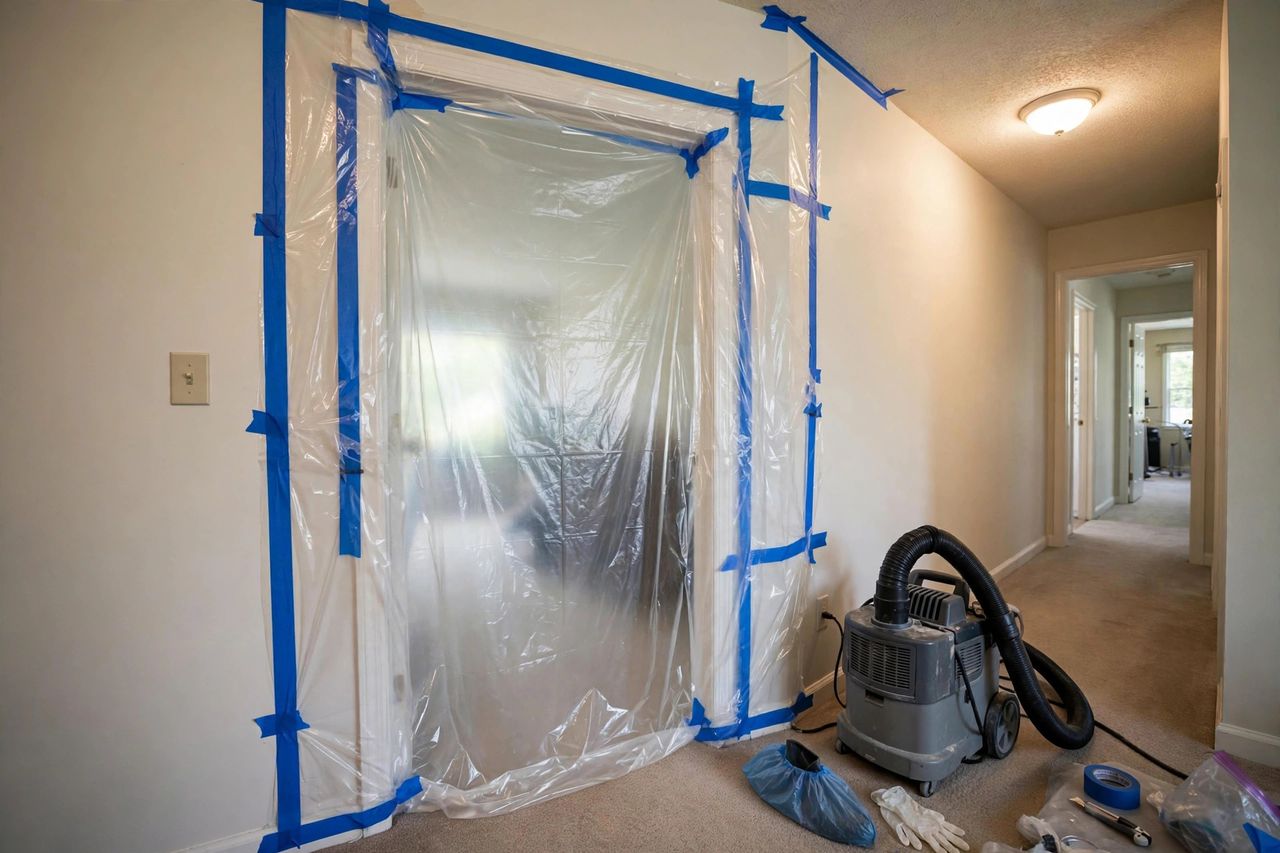
These images show the general types of conditions and equipment discussed on this page, not a specific completed job.

Call the local number to discuss the situation and identify the relevant service page.