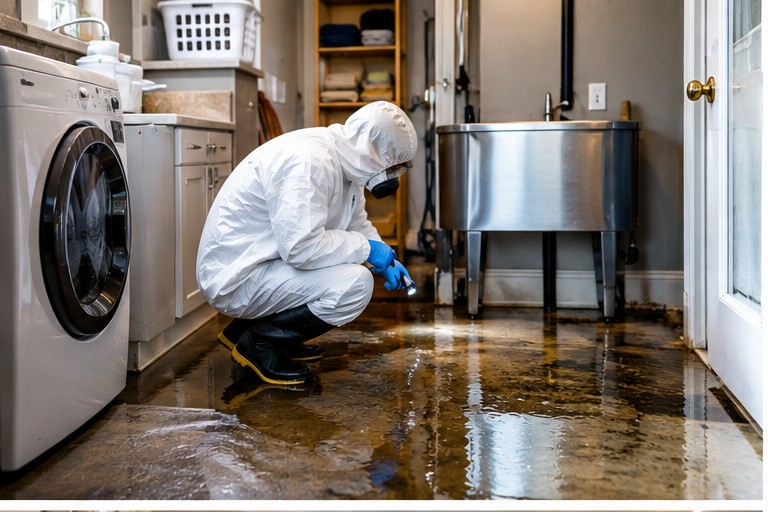
What is mold remediation after sewage backup? Mold concerns after sewage exposure are primarily a moisture-management problem. If materials remain damp, hidden moisture can support microbial growth. The appropriate response depends on the amount and location of growth, the materials involved, and the moisture source.
How mold remediation after sewage backup is approached
Mold concerns after sewage exposure are primarily a moisture-management problem. If materials remain damp, hidden moisture can support microbial growth. The appropriate response depends on the amount and location of growth, the materials involved, and the moisture source.
Mold after a sewage backup is really a moisture problem wearing a mold costume. Drywall, carpet pad, and wood that stayed wet for 48 hours or more can start growing mold — and sewage adds nutrients that speed it up. The fix isn't just killing visible mold; it's finding every damp pocket with moisture meters, setting up containment so spores don't spread during removal, filtering the air with HEPA equipment, removing what can't be saved, and drying what remains. Skip the moisture hunt and the mold comes back.
Conditions that determine the cleanup scope
The scope is set by how much growth is present, where it is located, which materials are affected, and — most importantly — whether the moisture source is still active. Without resolving the moisture, remediation is temporary; with the moisture controlled, the work focuses on the affected materials and verifying the area is dry.
Typical cleanup sequence
Assess the source and contamination path
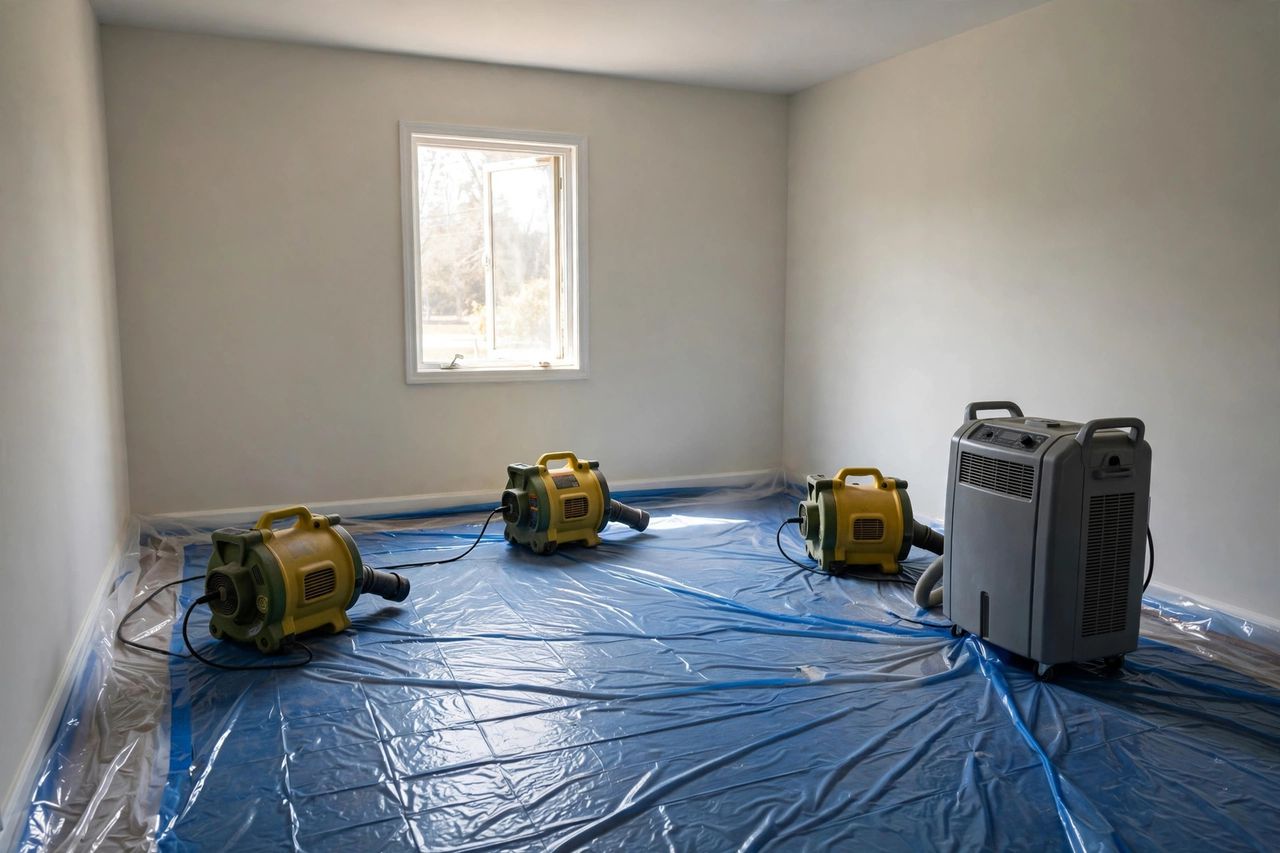
Control the affected area and reduce unnecessary exposure
Remove wastewater and contaminated materials where appropriate
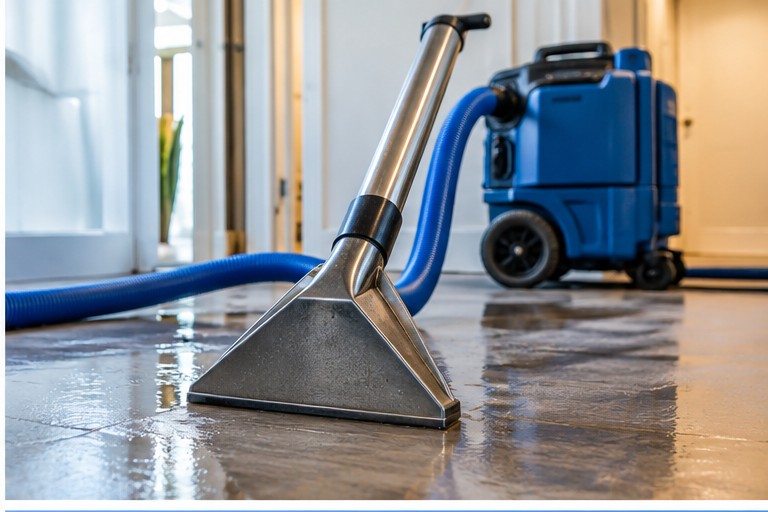
Physically clean affected surfaces and contents that can be retained
Dry and monitor affected areas for remaining moisture
Address odor, microbial growth, repairs, and restoration needs
Materials that may be affected
Mold-prone materials after sewage: drywall (especially the paper facing), carpet and pad, insulation, particleboard cabinets, and wood framing that stayed wet. Surface mold on hard, nonporous materials like tile can be cleaned; mold in porous materials means removal. The musty odor test is useful — if it smells musty, there's moisture somewhere feeding it.
What to do before cleanup
- Do not allow traffic through contaminated rooms— exposure is a health risk.
- Do not assume a stronger chemical mix means a safer result— some combinations release dangerous fumes.
- Do not try to dry the area with fans before it is cleaned— it spreads contaminated aerosols through the property.
- Capture dated photos of each impacted space in case they are needed later.
- Verify the source is stopped before deep cleaning— cleanup cannot succeed while water is still coming in.
What not to assume
In Mold Remediation After Sewage Backup work, the eye is the least reliable instrument: moisture meters and material assessment decide what is actually clean. Porous materials that absorbed wastewater are typically removed, while hard, non-porous surfaces can often be cleaned and disinfected.
Schertz context
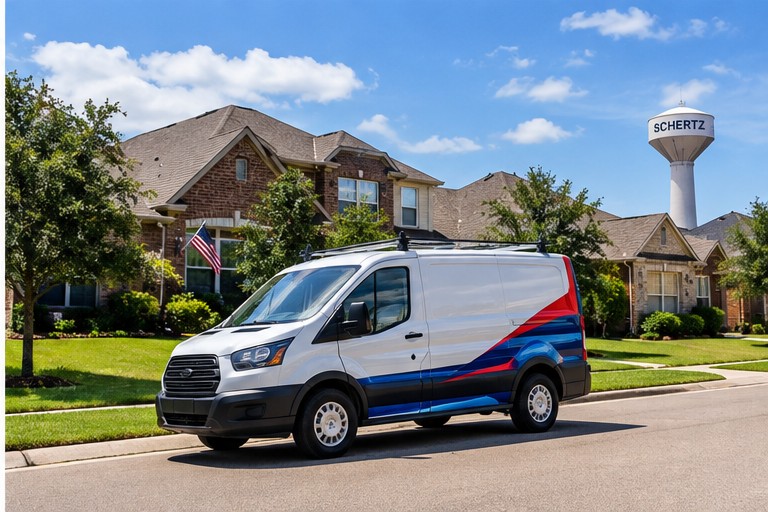
Schertz's humidity does mold no favors — damp materials dry slower here, widening the window for growth. After any sewage event, the drying phase matters as much as the cleaning phase. The City of Schertz's wastewater page covers blockage prevention, with CCMA named as the regional wastewater provider.
Questions people ask about mold remediation after sewage backup
What is mold remediation after sewage backup?
Mold remediation after a sewage backup addresses microbial growth that develops when sewage-wet materials stay damp. It is primarily a moisture-management problem: hidden moisture in drywall, wood, insulation, or subflooring can support growth even after the visible sewage is gone. The response depends on the amount and location of growth, the materials involved, and the moisture source.
When is mold remediation after sewage backup needed?
It is needed when a sewage event left materials damp long enough for growth to start, or when musty odor, staining, or visible growth appears after a backup. Because sewage contamination and mold often overlap in the same damp materials, the two problems are usually assessed together — the moisture source has to be resolved or the growth returns.
Can the visible water be the whole problem?
No. The visible water from the backup may be long gone while moisture remains trapped behind walls, under flooring, or inside cavities — exactly where growth starts. A dry-looking surface does not rule out hidden dampness, so the assessment looks for moisture in concealed areas, not just visible water.
What should happen before deodorizing?
Resolve the moisture source and remove or clean the affected materials first; deodorizing a musty room without fixing the dampness just masks the symptom. Odor from microbial growth comes from active moisture and contaminated materials, so odor work is only meaningful once the growth and its moisture source are addressed.
What if the backup appears to be a public sewer problem?
Contact the appropriate municipal or utility authority in addition to addressing conditions on the property. The City of Schertz identifies CCMA as the regional wastewater provider serving Schertz and nearby communities. If the moisture source is an ongoing line problem, that diagnosis is a separate task from the remediation work.